
10 Best Gaming Headsets in 2026
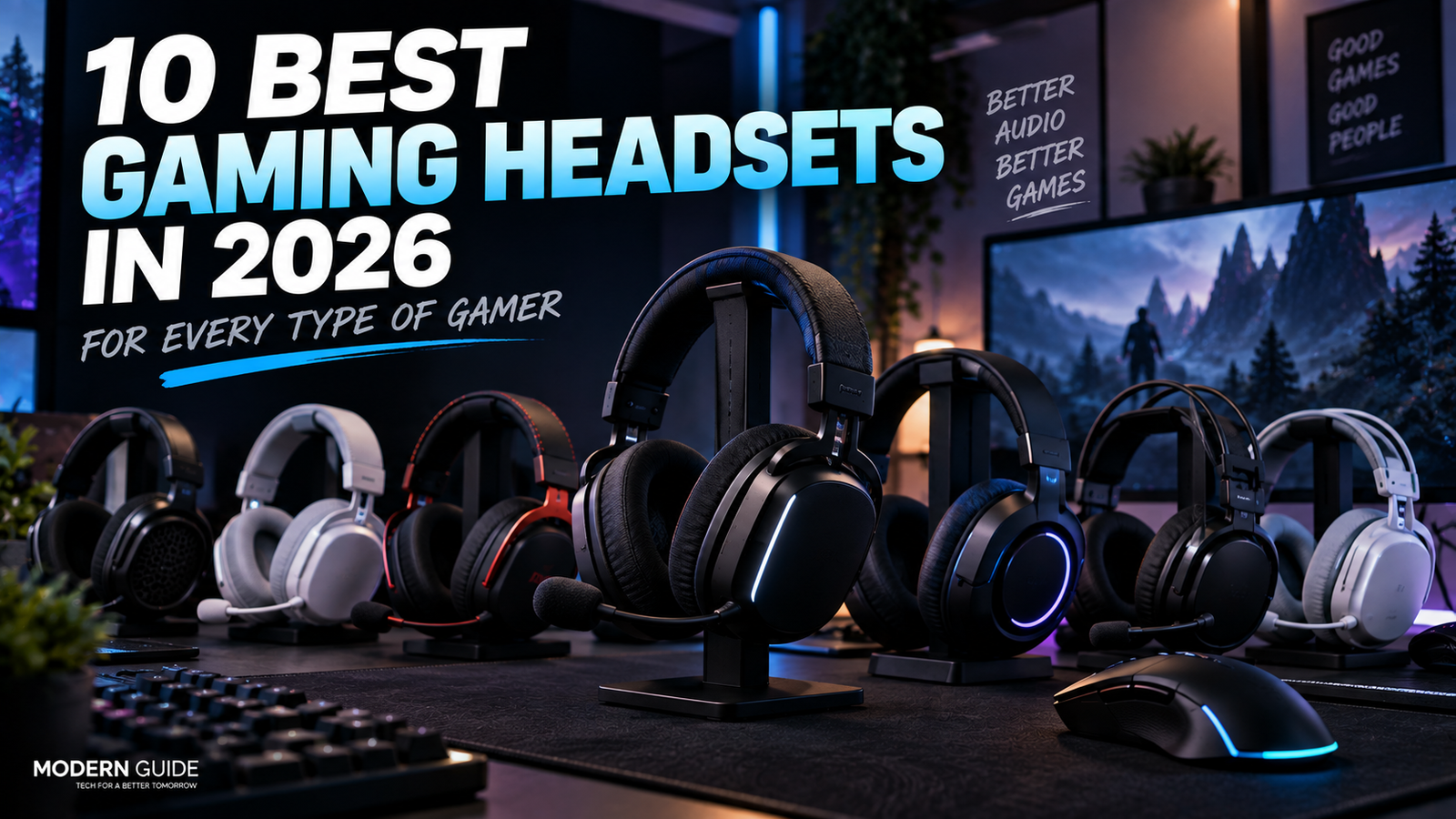
A gaming headset doesn’t need to cost $300 to be good.
In fact, I’d rather buy a comfortable $100 headset with good sound than spend three times as much on features I will never use.
The problem is that there are so many gaming headsets now.
Wireless, wired, open-back, closed-back, ANC, spatial audio, detachable microphones, Bluetooth, 2.4GHz wireless and a dozen different apps.
It gets confusing quickly.
So I went through the current options and picked 10 gaming headsets that make sense for different types of gamers.
Some are made for competitive FPS games.
Some are better for single-player games.
Some are great if you want wireless.
And a few are simply good value.
Quick Picks
| Gaming Headset | Best For |
| Razer BlackShark V3 Pro | Competitive gaming |
| Audeze Maxwell 2 | Best sound quality |
| HyperX Cloud III S Wireless | Most gamers |
| Sony INZONE H6 Air | Open-back gaming |
| Beyerdynamic MMX 330 PRO | Wired audio |
| ASUS ROG Delta II | PC and console gaming |
| Turtle Beach Stealth 700 Gen 3 | Multi-platform gaming |
| Corsair HS80 MAX | Voice chat and streaming |
| Logitech G PRO X 2 LIGHTSPEED | Wireless gaming |
| SteelSeries Arctis Nova Pro Omni | Premium all-rounder |
1. Razer BlackShark V3 Pro

Best for competitive gaming
If competitive gaming is your main priority, this is one of the headsets I’d look at first.
The BlackShark V3 Pro is built around low-latency wireless performance.
Razer says its HyperSpeed Wireless Gen-2 connection can deliver audio in as little as 10ms, and the headset also has active noise cancellation and a detachable microphone.
It also supports simultaneous 2.4GHz and Bluetooth connections, which is a really useful feature if you want game audio while staying connected to your phone.
The sound is tuned heavily toward gaming, especially positional audio.
That makes sense for games where hearing footsteps or small movement sounds matters.
Why I like it
The biggest reason is that it doesn’t feel like Razer simply added wireless features and called it a gaming headset.
It’s actually designed around competitive play.
Good for
- Competitive FPS
- PC gaming
- Console gaming
- Players who want wireless
- Noisy gaming environments
Not ideal for
People who mainly want a headset for music.
The gaming-focused sound isn’t necessarily what I’d choose for someone who wants an audiophile-style listening experience.
2. Audeze Maxwell 2

Best for sound quality
This is the headset I’d put near the top if sound quality matters more to you than weight or flashy gaming features.
The Maxwell 2 uses planar magnetic drivers, which is unusual for a gaming headset.
The result is a more detailed and balanced sound compared with many gaming headsets that heavily boost bass.
It’s also a serious headset for movies and music.
The microphone is another strong point.
The downside is weight.
The Maxwell 2 is noticeably heavier than many other gaming headsets, so I’d think twice if you regularly play for very long sessions.
It also doesn’t isolate outside noise as strongly as something with ANC.
But if you want one headset that can handle gaming, music and movies really well, this is a strong choice.
Good for
- PC gaming
- Music
- Single-player games
- Audiophile-style sound
- Long battery life
Not ideal for
Gamers who want the lightest possible headset.
3. HyperX Cloud III S Wireless
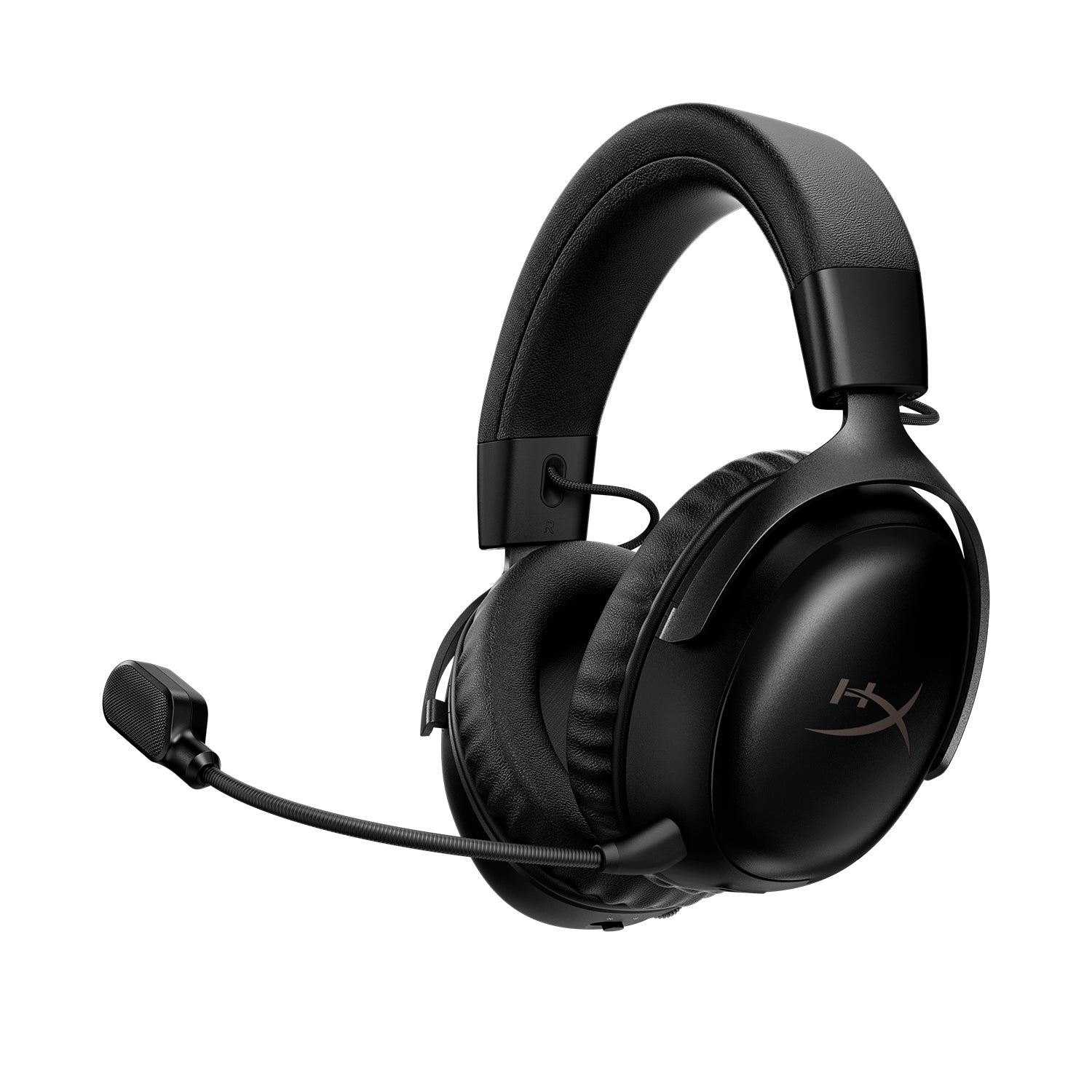
Best for most gamers
This is the one I’d recommend to someone who simply says:
“I just want a good gaming headset.”
You don’t always need a $300 headset.
The Cloud III S Wireless focuses on the things that matter most.
- Comfort.
- Good gaming audio.
- Wireless connectivity.
- A decent microphone.
- And long battery life.
It also keeps the design relatively simple.
That’s something I appreciate.
You don’t need a giant RGB headset hanging off your head to enjoy your games.
For most people, this is the type of headset I’d look at before jumping into the expensive options.
Good for
- Everyday gaming
- PC
- Console
- Wireless gaming
- Long gaming sessions
Not ideal for
People looking for advanced ANC or audiophile-level sound.
4. Sony INZONE H6 Air
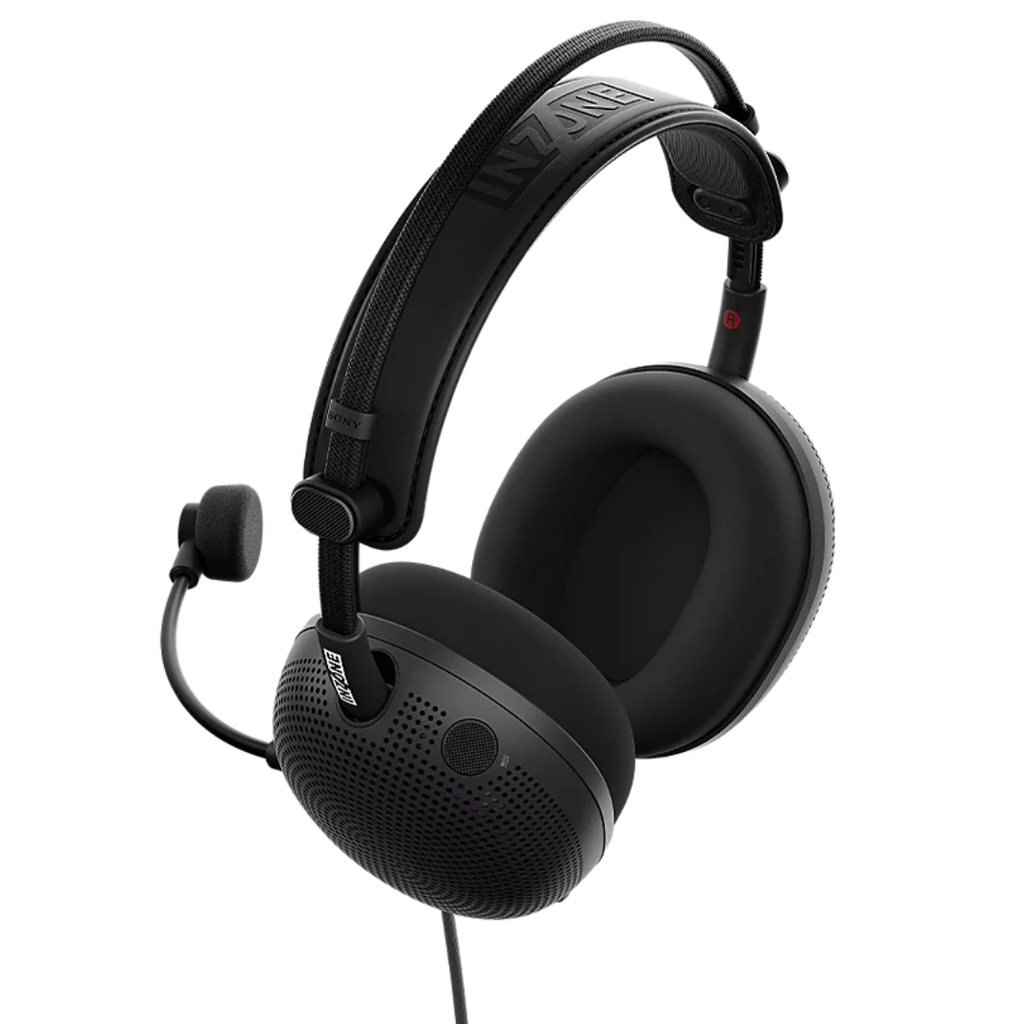
Best open-back gaming headset
Open-back headsets aren’t for everyone.
But when they’re good, they can make games feel much more spacious.
The Sony INZONE H6 Air is an interesting option because it takes an open-back approach rather than sealing your ears inside a closed headset.
That can give you a more natural sense of space.
I especially like this type of headset for single-player games and competitive games where you want a wider soundstage.
There’s a catch, though.
Open-back headphones let sound in and out.
So if your room is noisy, this probably isn’t the headset I’d choose.
Good for
- Competitive FPS
- Single-player games
- Quiet rooms
- Players who dislike closed-back headsets
Not ideal for
Noisy rooms or people who don’t want sound leaking out.
5. Beyerdynamic MMX 330 PRO

Best wired option
Sometimes the simplest solution is still the best one.
The MMX 330 PRO is a wired open-back gaming headset designed with audio quality in mind.
There’s no wireless battery to charge.
No dongle to lose.
No complicated wireless setup.
You plug it in and play.
The open-back design also gives it a more spacious presentation than many closed gaming headsets.
If you mainly game at a desk and don’t care about wireless freedom, I’d definitely keep this type of headset on the shortlist.
Good for
- PC gaming
- Competitive gaming
- Music
- Players who prefer wired audio
- Open-back fans
Not ideal for
Console gamers who want simple wireless connectivity.
6. ASUS ROG Delta II

Best for PC and console gaming
The ROG Delta II is a good example of a headset that tries to do a little bit of everything.
It supports wireless gaming and Bluetooth, making it useful if you switch between devices.
I also like the shape of this headset for people who want something that looks like a proper gaming product without going completely overboard with RGB.
The important thing here is flexibility.
You can use one headset across different parts of your setup instead of buying a separate headset for every device.
Good for
- PC
- Console
- Wireless gaming
- Multi-device setups
Not ideal for
Someone who wants the absolute best sound quality possible.
7. Turtle Beach Stealth 700 Gen 3

Best for multi-platform gaming
If you own more than one gaming platform, this is where a headset like the Stealth 700 Gen 3 starts making sense.
It’s designed around multi-platform use and wireless connectivity.
That’s useful if you switch between PC, PlayStation or Xbox rather than staying on one platform.
It’s also a good choice if comfort is high on your list.
You don’t want a headset that feels great for 30 minutes and uncomfortable after two hours.
Also Click Here for More Details
Good for
- Multi-platform gamers
- Wireless gaming
- Console gaming
- Long sessions
Not ideal for
People who only play on PC and don’t need the extra platform flexibility.
8. Corsair HS80 MAX

Best for voice chat and streaming
A gaming headset isn’t just about what you hear.
It’s also about how other people hear you.
The HS80 MAX is one of those headsets I’d consider if you spend a lot of time in Discord, multiplayer voice chat or casual streaming.
Corsair has put a lot of attention into the microphone, which is something I appreciate.
The headset also gives you wireless connectivity and a comfortable design.
It’s not the most exciting headset on this list.
That’s actually part of the appeal.
It focuses on being useful rather than trying to look futuristic.
Good for
- Discord
- Streaming
- Multiplayer games
- Voice chat
- PC gaming
Not ideal for
People who want the most competitive-focused headset possible.
9. Logitech G PRO X 2 LIGHTSPEED
Best for wireless simplicity
The PRO X 2 LIGHTSPEED has been around longer than some of the newer headsets here, but that doesn’t make it irrelevant.
It’s still a solid wireless gaming headset with a familiar design and strong gaming-focused features.
I especially like it for people who want something that can work as an everyday gaming headset without feeling too complicated.
The wireless connection is the main attraction.
You get the freedom of wireless without having to completely change the way you use your setup.
Good for
- Wireless gaming
- PC gaming
- Competitive games
- Everyday use
Not ideal for
Someone looking for the newest audio technology available.
10. SteelSeries Arctis Nova Pro Omni
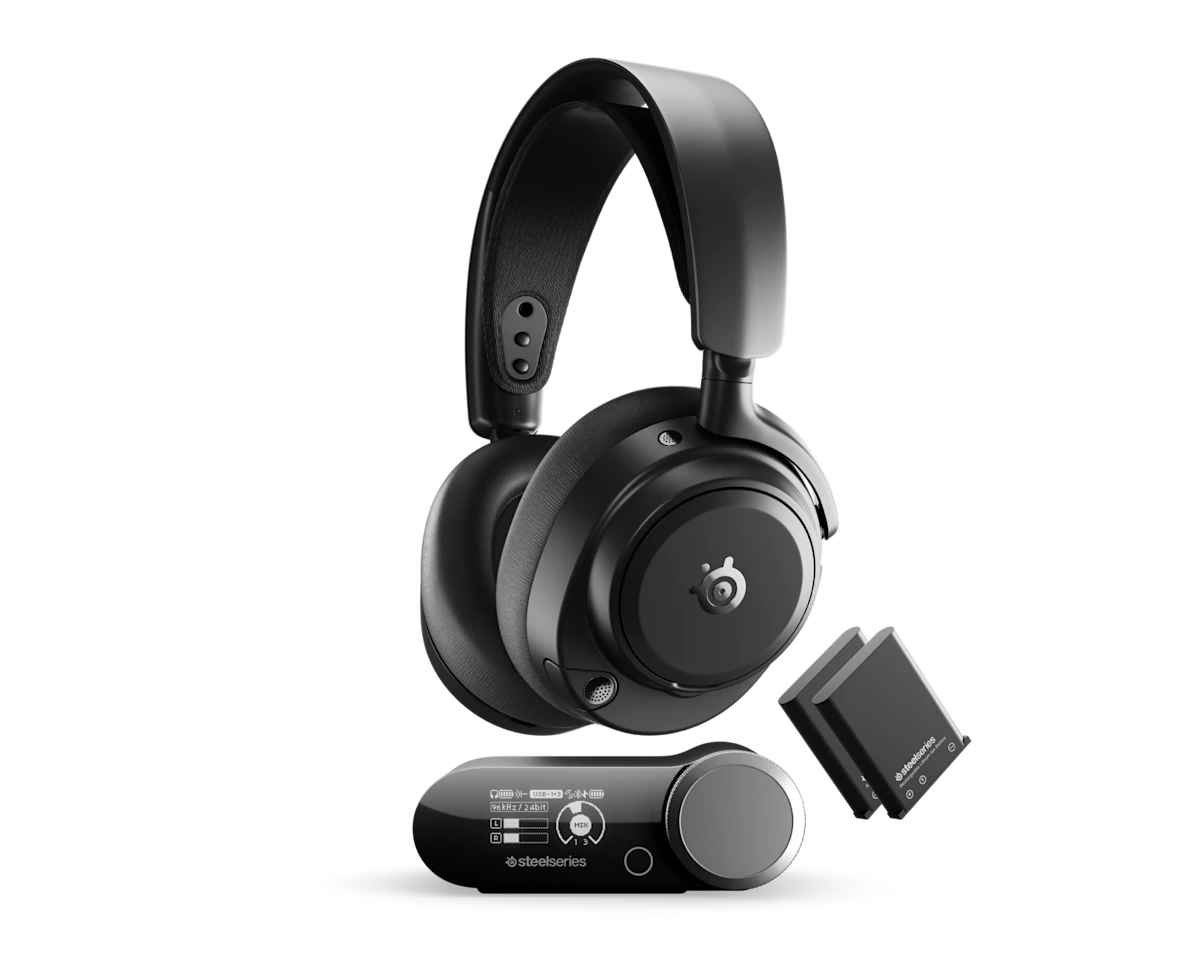
Best premium all-rounder
Now we’re getting into expensive territory.
The Arctis Nova Pro Omni is for the person who basically wants everything.
- Premium audio.
- Multiple connection options.
- Wireless.
- Bluetooth.
- ANC.
And a replaceable battery system.
It’s one of those headsets where the feature list starts getting ridiculous.
But there’s a reason for that.
If you regularly switch between gaming, music, calls and different devices, having all of these features in one headset can actually be useful.
The problem is the price.
This isn’t what I’d recommend to someone building their first gaming setup.
But if money isn’t the main concern and you want a premium all-rounder, it’s one of the more complete options available.
Good for
- Premium gaming
- Multi-device setups
- PC and console
- Music
- Users who want lots of features
Not ideal for
Budget-conscious gamers.
Wired vs Wireless Gaming Headsets
This question comes up constantly.
And honestly, both are good.
Wireless
I’d choose wireless if you want a cleaner desk and don’t want a cable running from your head to your PC.
Modern 2.4GHz gaming headsets are also fast enough that latency isn’t something I’d worry about with a good model.
Just make sure the headset uses a proper 2.4GHz gaming connection.
Bluetooth alone isn’t what I’d choose for competitive gaming.
Wired
Wired is still great.
You don’t have to charge anything.
You don’t have to worry about wireless interference.
And good wired headsets can offer excellent sound for less money.
If you’re sitting at the same desk every day, there’s nothing wrong with staying wired.
Open-Back vs Closed-Back
This is more important than many people realize.
Closed-back
The earcups are sealed.
They’re better at keeping outside noise away and stopping your game audio from leaking into the room.
They’re usually the safer choice for general gaming.
Open-back
Open-back headsets let air and sound pass through the back of the earcups.
The sound can feel more spacious and natural.
But they work best in a quiet room.
If your family is watching TV beside you, don’t buy an open-back headset and expect silence.
What Actually Matters in a Gaming Headset?
Don’t get distracted by giant spec sheets.
I’d focus on these things first.
Comfort
This is number one for me.
A headset can sound amazing, but if it hurts after an hour, you’re going to hate it.
Sound
You want clear voices, good positional detail and enough bass to make games feel exciting.
You don’t necessarily need huge bass.
Microphone
If you play multiplayer games, your teammates need to understand you.
A good microphone matters more than RGB.
Connection
For wireless, I’d look for 2.4GHz.
Bluetooth is a nice bonus.
Battery
If you’re buying wireless, check the battery life.
There’s nothing worse than reaching for your headset before a gaming session and finding out it’s dead.
Do You Actually Need an Expensive Gaming Headset?
No.
This is something I want to make clear.
You can get a really good gaming experience without spending hundreds of dollars.
I’d rather buy a comfortable mid-range headset than spend a huge amount on features I don’t need.
The expensive models make more sense when you specifically want something like:
- Better sound quality
- ANC
- Multiple device connections
- Premium materials
- Better microphones
- Replaceable batteries
- High-end wireless performance
If none of those things matter to you, save your money.
Which Gaming Headset Would I Buy?
If I were buying one for myself, I’d narrow it down like this.
For competitive FPS: Razer BlackShark V3 Pro.
For sound quality: Audeze Maxwell 2.
For most gamers: HyperX Cloud III S Wireless.
For open-back gaming: Sony INZONE H6 Air.
For wired gaming: Beyerdynamic MMX 330 PRO.
For a premium setup: SteelSeries Arctis Nova Pro Omni.
That’s the way I’d approach it.
Don’t ask:
“What’s the most expensive gaming headset?”
Ask:
“What do I actually need from my headset?”
That question will usually save you money.
Final Thoughts
A gaming headset is one of the accessories you’ll probably use every time you play.
So comfort matters.
Sound matters.
And the microphone matters if you play with other people.
But you don’t need every feature companies put on the box.
If you play competitive FPS games, focus on positional audio and low latency.
If you mostly play single-player games, focus on sound quality and comfort.
If you move between devices, look for good wireless and multi-platform support.
And if you’re on a budget, don’t feel like you’re missing out.
A good mid-range headset can still make your gaming setup feel completely different.
The best gaming headset isn’t necessarily the most expensive one.
It’s the one that fits the way you actually play.

One thought on “10 Best Gaming Headsets in 2026”